
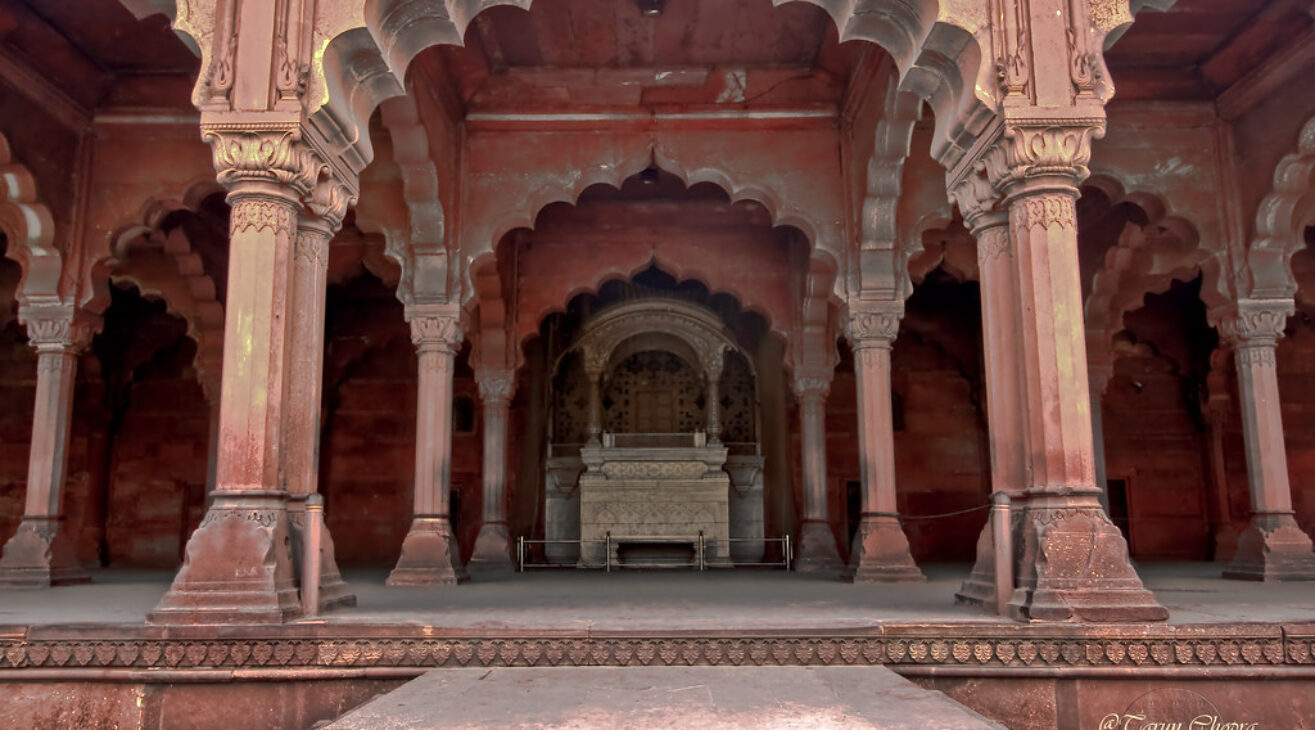
The History of Delhi: A City of Surviving Empires
Delhi is not just a capital.
It is a survivor.
Most cities grow slowly over time. Delhi was rebuilt by empires.
Eight major powers ruled here.Each left behind stone, stories, scars, and splendour.
To walk through Delhi is to walk through a thousand years of ambition.
Eight major powers ruled here. Each left behind stone, stories, scars, and splendour. To walk through Delhi is to walk through a thousand years of ambition.
It is a survivor.
A city that has been destroyed, rebuilt, conquered, glorified, abandoned — and reborn again and again.
Eight major powers ruled here.Each left behind stone, stories, scars, and splendour.
To walk through Delhi is to walk through a thousand years of ambition.
Eight major powers ruled here. Each left behind stone, stories, scars, and splendour. To walk through Delhi is to walk through a thousand years of ambition.
The Tomars – The First Fortress (8th–12th Century)
Before Mughal domes and British boulevards, there was Lal Kot.Built by the Tomar Rajputs, this was one of the earliest fortified settlements of Delhi. The ruins still stand quietly near Mehrauli — overlooked, yet foundational.
Delhi’s destiny as a political capital began here.
The Delhi Sultanate – Power from the North (1206–1526)
When Turkic rulers established the Delhi Sultanate, the city transformed into a global Islamic power center. Five dynasties ruled during this period:- Mamluks
- Khiljis
- Tughlaqs
- Sayyids
- Lodis
- The towering Qutub Minar
- Massive forts like Tughlaqabad
- Entire cities that were later abandoned
The Mughals – Delhi’s Golden Age (1526–1857)
If any empire defined Delhi’s character, it was the Mughals.- The Red Fort
- Jama Masjid
- Chandni Chowk
Persian poetry echoed through marble halls.
Spice traders connected India to Central Asia.
Cuisine evolved into what we now call Mughlai food.
Even today, Old Delhi carries Mughal rhythm in its streets.
The Marathas – A Brief Control of Power (18th Century)
As the Mughal empire weakened, the Marathas entered Delhi.The city became a battleground of shifting alliances. Control changed hands rapidly.
Delhi was no longer stable — it was symbolic.
Whoever ruled Delhi claimed legitimacy.
The British Raj – Designing a New Capital (1803–1947)
In 1911, the British shifted India’s capital from Calcutta to Delhi and built New Delhi.Wide boulevards.
Colonial symmetry.
Monumental architecture.
India Gate, Rashtrapati Bhavan, and Connaught Place became symbols of imperial authority.
Ironically, this same city would soon witness the fall of British rule.
The Revolt of 1857 – The End of the Mughal Era
Delhi became the heart of the 1857 uprising — India’s First War of Independence.
After suppressing the revolt, the British exiled the last Mughal emperor, Bahadur Shah Zafar.
An empire that lasted over 300 years ended quietly.
But Delhi remained.
Independent India – A Modern Metropolis (1947–Present)
Partition reshaped Delhi forever.Refugees arrived. Neighborhoods transformed. Cultures merged.
Modern Delhi rose — chaotic, ambitious, layered.
Glass buildings stand beside medieval tombs.
Metro trains run under Mughal walls.
The city continues to reinvent itself.
The Empire That Never Fell – The People
Empires ruled Delhi. But the true rulers were always its people.- Shopkeepers in Chandni Chowk whose families traded spices for generations
- Artisans preserving centuries-old crafts
- Families rebuilding after Partition
The human empire endured.
Why Delhi Is Unlike Any Other City
In many cities, history is preserved behind museum glass.In Delhi, history is daily life.
You don’t just see monuments.
You eat in them.
You pray in them.
You negotiate beneath them.
A spice shop may be older than your country.
A mosque may have witnessed five dynasties.
Delhi is not frozen in time.
It is layered time.
Walking Through 1,000 Years in One Day
In a single day, you can:- Stand beneath the Qutub Minar
- Walk through Mughal lanes in Old Delhi
- Watch sunset at India Gate
- Drive past colonial architecture
Delhi does.
Final Thought
Seven empires tried to own Delhi. None lasted forever.
But the city survived them all.
That is Delhi’s power.